
What is Sealant Spray?
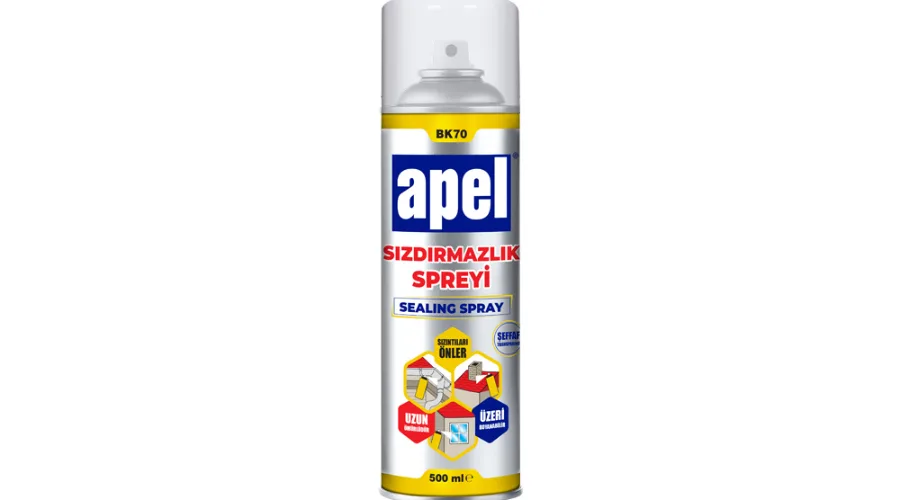
Waterproof Spray: Sealing and Protecting for a Leak-Free Environment
The waterproof spray, also known as sealing spray, is a versatile tool designed to fill and seal cracks, providing an effective barrier against leaks. Widely used in the construction industry, decorative projects, and various applications, it offers a quick and convenient solution for creating a watertight seal.
Benefits of Waterproof Spray
Waterproof spray provides numerous advantages, making indoor spaces more comfortable and functional. It is ideal for sealing gaps, cracks, and small holes, ensuring a robust and long-lasting seal. The primary component of this spray is rubberized protective coating, which offers versatile sealing properties on various surfaces. It can be used on:
- Metal
- Aluminum
- PVC
- Walls
- Asphalt roofing materials
- Vinyl siding
- Fiberglass
This flexible sealant effectively prevents water penetration in these materials, ensuring a durable seal. To make the most of its waterproof qualities, it's essential to follow usage guidelines and tips. By using this spray, you can transform areas with water leaks into tightly sealed, deformity-free spaces.
Using Waterproof Spray
The application process for waterproof spray is straightforward and practical. These sprays are designed to fill and seal leaks, providing a rubberized protective coating. Available in various colors, they can be chosen based on the material's surface and color. When using waterproof spray, consider these important points:
- Thoroughly clean greasy, oily, dirty surfaces, or any debris.
- Shake the spray vigorously after ensuring the surface is free from contaminants.
- The spray should be shaken for at least 1 minute until the mixing balls make a loud noise.
- Continue shaking occasionally during the spraying process to ensure proper mixture.
- Maintain a spraying distance of approximately 30 cm.
By targeting cracks with the spray and filling them, you can create a watertight seal. While different brands may have varying formulations, the application method remains consistent. For optimal results, use waterproof spray in environments with temperatures above 0°C and relative humidity below 85%.
Is Waterproof Spray Eco-Friendly?
While traditional building materials often contain harsh chemicals, waterproof spray has unique components that make it suitable for various surfaces. This makes it a popular choice in the construction sector. When selecting a waterproof spray, opt for eco-friendly options to ensure a safer and more sustainable environment.
Remember, some brands may include potentially harmful chemical compounds. Therefore, when purchasing products like waterproof spray or sealing tape from websites such as Beta Kimya or through retail stores, prioritize eco-friendly options made with high-quality, non-toxic materials that do not harm the environment.
- Beta Kimya at Eisenwarenmesse Cologne 2026: The Global Meeting Point for Industrial Adhesives and Sealing Solutions
- The APEL Story: Beta Kimya's Journey of Production and Innovation from 1987 to Today
- Perfect Solution for Heat and Sound Insulation with APEL PF400
- You'll Be Amazed by What You Can Do with Wood Glue!
- Step-by-Step Marine Adhesive Application
- What is Polyurethane, Where is it Used?
- How to Clean Silicone?
- What is Sealant Spray?
- What is Koliband? What are its applications?
- What are the types of adhesives?
- What are Cyanoacrylate Adhesives?
- How to Remove Double-Sided Tape?
- What is Aquarium Silicone?
- 5 Decorative Ideas with Liquid Nail/Adhesive for Mounting
- What is Aluminum Tape? Where is it Used?
- What is Masking Tape? Where is it Used?
- What is Silicone Adhesive and Acrylic Adhesive? Where are they used?
- You'll Be Amazed by What You Can Do with Wood Glue
- Apel BK-20 Brake Pad Cleaner for Your Brake Maintenance
- What is Pas Remover Spray and How to Use It?
- Polyurethane Foam's 5 Places in Our Lives
- Relax and Unwind!
- Apel Sealing Tape - We Never Leak!
- What is Apel Non-Slip Tape and What Does it Do?
- Quickly Bonding: 5 Situations You Need Fast Adhesives
- What is Rubber Tire Spray Used For and When Should It Be Used?
- Apel Polyurethane Foam - What Is It and Where Can I Use It?
- Intermob Fair & Beta Kimya
- What is Hotmelt (Pebble Adhesives)?
- How to Make a Chair at Home?
- What is White Glue? What Can It Stick?
- How to Use Adhesive?
- Water-Resistant Adhesive Varieties
- What is the difference between silicone and adhesive?
- How is Silicone Produced?
- What is Polyurethane Foam and Where is it Used?
- What is Paint Stripper Spray?
- Does Glass Adhesive Really Work?
- What are the advantages of spray disinfectants?
- Where is Silicon Used? What is Silicon?
- How long does an alcohol-based hand sanitizer last?
- How to Prevent Water Seepage from Windows?
- Application Areas and Advantages of D3 Skeletal Adhesive
- What Can Be Achieved with the Irreplaceable Silicon Gun for Handwork?
- Winter Solutions from Beta Kimya Products
- Mirror Adhesion, How to Attach a Mirror?
- What are the Applications and Fields of Interest?
- What are the applications of liquid glue?
- What is Wood Glue? What are its Types? Where and How is it Used?
- What is Deniz Tutkalı Used For?
- Why Should We Use Disinfectants During the Coronavirus Period?
- What is Disinfectant and Where is it Used?
- How to Remove Quick Adhesive Stains?
- How to Make Slime?
- Where is Quick Adhesive Used?
- Does Gum Spray Remove Rust?
- Where is Wood and Hobby Glue Used?
- Did You Know ?
- We Introduced Our New Products at INTERMOB 2019
- What should you do to fill gaps?
- Same Application, Different Results?
- Which is the Best Adhesive?
