
The APEL Story: Beta Kimya's Journey of Production and Innovation from 1987 to Today
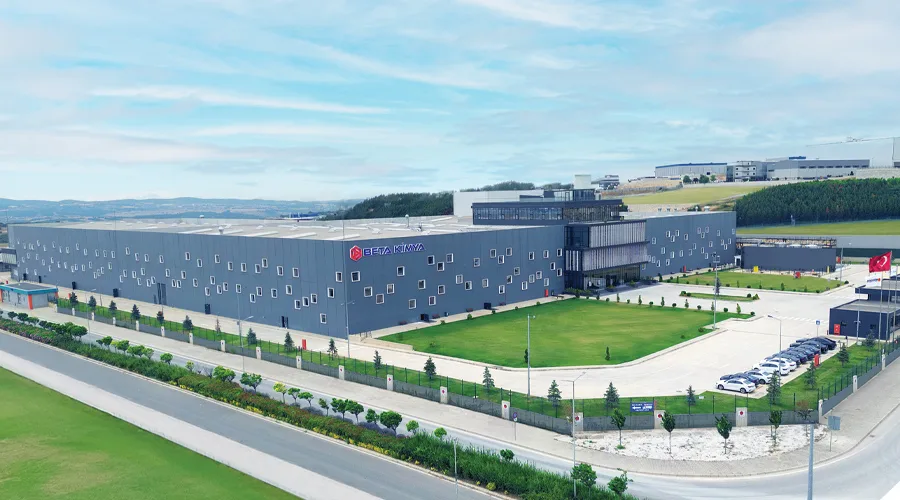
Beta Kimya's Foundations: A Manufacturing Journey That Began in 1987
An Expertise That Started with Furniture Adhesives
Beta Kimya entered the chemistry sector in 1987 by manufacturing furniture adhesives. From its founding, the company's goal was to develop high-performance, reliable adhesive solutions suited to industrial needs. This approach quickly earned the brand recognition within the sector.
The Birth of the APEL Brand
As the product range grew and expertise deepened, the APEL brand was created, and over time it became a generic brand within the adhesives sector. The APEL and Mitreapel brands came to symbolize Beta Kimya's quality-focused approach to manufacturing.
Expanding Production Capacity and Building New Facilities
A Technological Leap with the Tuzla Facilities
The production facility established in Tuzla, Istanbul in 2007 marked an important milestone for Beta Kimya. With this investment:
- A new generation of products was developed for the woodworking and construction sectors,
- The company's first R&D laboratory was launched,
- An advanced technological infrastructure was established in production.
Expanding the Product Range
With investments made in 2010, 2013, and 2016:
- Technical aerosols,
- Polyurethane-based adhesives,
- Filling and mounting products
were added to the production portfolio, and the number of facilities in Tuzla grew to four separate production sites.
Gebkim Campus: Regional Strength, Global Vision
A Strategic Production Investment
Groundbreaking for Gebkim Campus took place in 2020, and the facility sits at the heart of Beta Kimya's long-term growth strategy. Reaching full capacity by the end of 2022, this facility:
- Has established itself as one of the largest adhesive production facilities in Eastern Europe and the Middle East.
- Serves high-volume, sustainable, and efficient production targets.
An Export-Focused Structure
Today, Beta Kimya exports to more than 90 countries, successfully representing the Turkish chemical industry in international markets. Gebkim Campus has become one of the logistics and production hubs for these global operations.
R&D and Innovation: APEL's Continuously Evolving Structure
An Official R&D Center
Receiving the R&D Center Certificate in 2019 is a corporate testament to the importance Beta Kimya places on innovation. At this center:
- Product performance is continually improved,
- Solutions are developed for new application areas.
Health and Hygiene Products
Antibacterial sprays and liquid hand sanitizers developed through R&D efforts have extended Beta Kimya's expertise into the health sector as well, demonstrating the company's ability to adapt quickly to changing market needs.
A Brand Built on Trust Through Its Quality Policy
A Sustainable Approach to Quality
Beta Kimya's quality policy is founded on customer satisfaction, environmental responsibility, and workplace safety. In its production processes:
- A balance of quality, cost, time, and quantity is maintained,
- Human health and the environment are protected,
- The principle of continuous improvement is upheld.
Trust Backed by Certifications
Certifications held by the company, most notably ISO 9001 and ISO 10002, document that APEL-branded products comply with national and international standards.
APEL Today: A Strong Brand Reaching from Turkey to the World
Today, Beta Kimya:
- Employs more than 250 people,
- Offers more than 100 different product varieties,
- Ranks among the leading companies in Turkey's chemical industry, backed by its extensive production infrastructure and R&D strength.
The APEL brand, in turn, continues to offer reliable, long-lasting, and high-performance solutions for professional users.
Conclusion
APEL's story has been shaped by Beta Kimya's visionary approach, its investments in technology, and the importance it places on quality. This journey, which began in 1987, has grown into a strong brand competing in global markets today. Going forward, APEL will continue to lead the sector with its innovation-driven approach to manufacturing.
Frequently Asked Questions
When was the APEL brand established?
The APEL brand was developed alongside Beta Kimya's production activities, which began in 1987, and over time became a generic brand.
Where are Beta Kimya's production facilities located?
Beta Kimya's production facilities are located in Tuzla, Istanbul, and at the Gebkim Campus in Dilovası, Kocaeli.
In which sectors are APEL products used?
APEL products are used across many industrial areas, primarily in the furniture, woodworking, and construction sectors.
Does Beta Kimya export?
Yes, Beta Kimya exports to more than 90 countries.
Discover Reliable Solutions with APEL
If you are looking for high-performance, reliable adhesive solutions for your production processes, take a closer look at the APEL product family.
Contact Information
Head Office: +90 212 670 43 00
Gebkim Facility: +90 216 593 43 05
Web: www.betakimya.com.tr
Get in touch with us for solutions tailored to your needs.
- Beta Kimya at Eisenwarenmesse Cologne 2026: The Global Meeting Point for Industrial Adhesives and Sealing Solutions
- The APEL Story: Beta Kimya's Journey of Production and Innovation from 1987 to Today
- Perfect Solution for Heat and Sound Insulation with APEL PF400
- You'll Be Amazed by What You Can Do with Wood Glue!
- Step-by-Step Marine Adhesive Application
- What is Polyurethane, Where is it Used?
- How to Clean Silicone?
- What is Sealant Spray?
- What is Koliband? What are its applications?
- What are the types of adhesives?
- What are Cyanoacrylate Adhesives?
- How to Remove Double-Sided Tape?
- What is Aquarium Silicone?
- 5 Decorative Ideas with Liquid Nail/Adhesive for Mounting
- What is Aluminum Tape? Where is it Used?
- What is Masking Tape? Where is it Used?
- What is Silicone Adhesive and Acrylic Adhesive? Where are they used?
- You'll Be Amazed by What You Can Do with Wood Glue
- Apel BK-20 Brake Pad Cleaner for Your Brake Maintenance
- What is Pas Remover Spray and How to Use It?
- Polyurethane Foam's 5 Places in Our Lives
- Relax and Unwind!
- Apel Sealing Tape - We Never Leak!
- What is Apel Non-Slip Tape and What Does it Do?
- Quickly Bonding: 5 Situations You Need Fast Adhesives
- What is Rubber Tire Spray Used For and When Should It Be Used?
- Apel Polyurethane Foam - What Is It and Where Can I Use It?
- Intermob Fair & Beta Kimya
- What is Hotmelt (Pebble Adhesives)?
- How to Make a Chair at Home?
- What is White Glue? What Can It Stick?
- How to Use Adhesive?
- Water-Resistant Adhesive Varieties
- What is the difference between silicone and adhesive?
- How is Silicone Produced?
- What is Polyurethane Foam and Where is it Used?
- What is Paint Stripper Spray?
- Does Glass Adhesive Really Work?
- What are the advantages of spray disinfectants?
- Where is Silicon Used? What is Silicon?
- How long does an alcohol-based hand sanitizer last?
- How to Prevent Water Seepage from Windows?
- Application Areas and Advantages of D3 Skeletal Adhesive
- What Can Be Achieved with the Irreplaceable Silicon Gun for Handwork?
- Winter Solutions from Beta Kimya Products
- Mirror Adhesion, How to Attach a Mirror?
- What are the Applications and Fields of Interest?
- What are the applications of liquid glue?
- What is Wood Glue? What are its Types? Where and How is it Used?
- What is Deniz Tutkalı Used For?
- Why Should We Use Disinfectants During the Coronavirus Period?
- What is Disinfectant and Where is it Used?
- How to Remove Quick Adhesive Stains?
- How to Make Slime?
- Where is Quick Adhesive Used?
- Does Gum Spray Remove Rust?
- Where is Wood and Hobby Glue Used?
- Did You Know ?
- We Introduced Our New Products at INTERMOB 2019
- What should you do to fill gaps?
- Same Application, Different Results?
- Which is the Best Adhesive?
