
What is Aluminum Tape? Where is it Used?
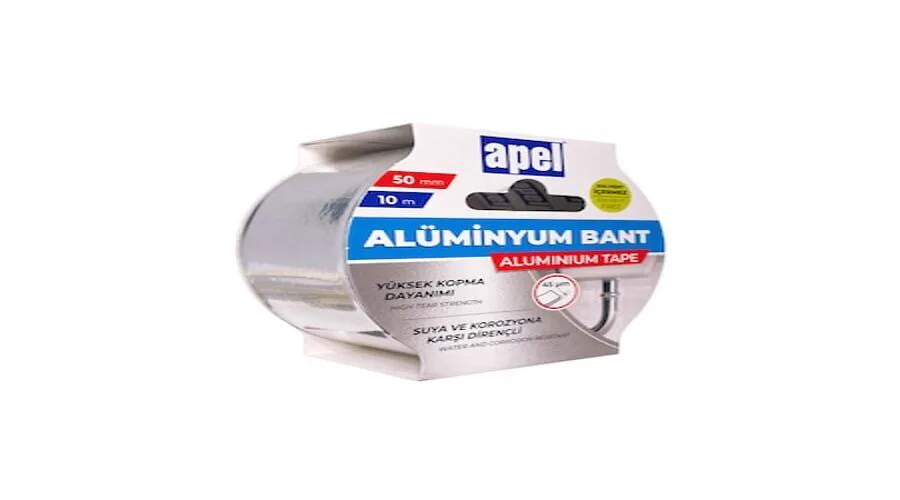
What is Aluminum Tape?
Aluminum tape is available in two forms: solvent-based acrylic or Hotmelt adhesive. It exhibits high resistance to tension. Suitable for ventilating high-pressure metal alloys and use in environments with high humidity. Due to its form, aluminum tape finds application in various distinct areas compared to other tapes. Its durability against high pressure and temperature changes has led to its preference in equipment, automotive, and similar industries. It is more heat-resistant than gold, iron, or silver.
Where is Aluminum Tape Used?
- Construction and Architecture
- Electrical and Electronics
- Aviation and Space
- Automotive
- Food Packaging
- Industry
- Healthcare
- Arts and Decoration
Aluminum tapes are preferred in many sectors due to their compatibility with weather conditions and durability. The main reasons for its use in automotive, equipment, aviation, electronics, and construction industries are their resistance to temperature fluctuations. It offers user convenience.
It is also used for sealing, insulation, coating, chemical stripping, addition, strapping, and plastic protection in industrial applications. A common question that arises is whether aluminum tape catches fire. As mentioned above, aluminum tape is heat-resistant and does not burn.
In addition, it provides long-lasting protection against dust, flames, weather conditions, and paint masking for chemicals. It does not react to these factors due to its acrylic adhesive. This feature makes it suitable for important sectors like aviation and electronics. Its structure, which does not absorb high amounts of moisture, also makes it useful in environments requiring insulation.
Aluminum tape is also suitable for homes and offices. It has wide-ranging applications, including heating systems, chimneys, motorcycles, and insulation processes.
Why Choose Aluminum Tape?
Here are the reasons for choosing aluminum tape:
- High heat resistance
- Resistance to high pressure
- Weather and moisture resistance
- No staining property
- UV light resistance
- Resistance to infrared degradation
- Sealing capability
What Should Be Considered When Using Aluminum Tape?
Aluminum tapes are designed with functionality in mind. If used on motorcycles, cars, chimneys, or heating systems, versatile aluminum tapes should be selected. They come in two types: Hotmelt and Solvent adhesives. The right one should be chosen based on the application area. When selecting aluminum tape, consider the following:
- Ensure the surface where the tape will be applied is clean and dry. This is a crucial factor for quick and strong adhesion. Applying the tape correctly to a clean, dry surface increases its durability. It will remain sturdy under various weather conditions as specified.
- Choose the right aluminum tape based on your application area. For example, aluminum edge tapes are commonly used in furniture. Using the appropriate tape for the job ensures maximum efficiency in terms of durability. Aluminum repair tapes are preferred in construction due to their reliability and strength.
- Beta Kimya at Eisenwarenmesse Cologne 2026: The Global Meeting Point for Industrial Adhesives and Sealing Solutions
- The APEL Story: Beta Kimya's Journey of Production and Innovation from 1987 to Today
- Perfect Solution for Heat and Sound Insulation with APEL PF400
- You'll Be Amazed by What You Can Do with Wood Glue!
- Step-by-Step Marine Adhesive Application
- What is Polyurethane, Where is it Used?
- How to Clean Silicone?
- What is Sealant Spray?
- What is Koliband? What are its applications?
- What are the types of adhesives?
- What are Cyanoacrylate Adhesives?
- How to Remove Double-Sided Tape?
- What is Aquarium Silicone?
- 5 Decorative Ideas with Liquid Nail/Adhesive for Mounting
- What is Aluminum Tape? Where is it Used?
- What is Masking Tape? Where is it Used?
- What is Silicone Adhesive and Acrylic Adhesive? Where are they used?
- You'll Be Amazed by What You Can Do with Wood Glue
- Apel BK-20 Brake Pad Cleaner for Your Brake Maintenance
- What is Pas Remover Spray and How to Use It?
- Polyurethane Foam's 5 Places in Our Lives
- Relax and Unwind!
- Apel Sealing Tape - We Never Leak!
- What is Apel Non-Slip Tape and What Does it Do?
- Quickly Bonding: 5 Situations You Need Fast Adhesives
- What is Rubber Tire Spray Used For and When Should It Be Used?
- Apel Polyurethane Foam - What Is It and Where Can I Use It?
- Intermob Fair & Beta Kimya
- What is Hotmelt (Pebble Adhesives)?
- How to Make a Chair at Home?
- What is White Glue? What Can It Stick?
- How to Use Adhesive?
- Water-Resistant Adhesive Varieties
- What is the difference between silicone and adhesive?
- How is Silicone Produced?
- What is Polyurethane Foam and Where is it Used?
- What is Paint Stripper Spray?
- Does Glass Adhesive Really Work?
- What are the advantages of spray disinfectants?
- Where is Silicon Used? What is Silicon?
- How long does an alcohol-based hand sanitizer last?
- How to Prevent Water Seepage from Windows?
- Application Areas and Advantages of D3 Skeletal Adhesive
- What Can Be Achieved with the Irreplaceable Silicon Gun for Handwork?
- Winter Solutions from Beta Kimya Products
- Mirror Adhesion, How to Attach a Mirror?
- What are the Applications and Fields of Interest?
- What are the applications of liquid glue?
- What is Wood Glue? What are its Types? Where and How is it Used?
- What is Deniz Tutkalı Used For?
- Why Should We Use Disinfectants During the Coronavirus Period?
- What is Disinfectant and Where is it Used?
- How to Remove Quick Adhesive Stains?
- How to Make Slime?
- Where is Quick Adhesive Used?
- Does Gum Spray Remove Rust?
- Where is Wood and Hobby Glue Used?
- Did You Know ?
- We Introduced Our New Products at INTERMOB 2019
- What should you do to fill gaps?
- Same Application, Different Results?
- Which is the Best Adhesive?
