
How to Prevent Water Seepage from Windows?
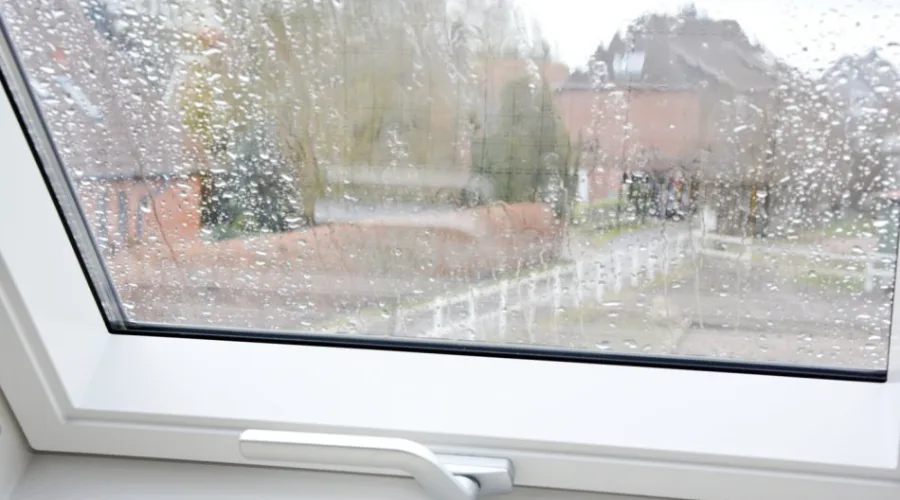
To prevent water from leaking through a window, pure silicone should be applied to the points where leakage occurs. When water leaks through a window, pure silicone available from hardware stores is applied around the window edges with a dedicated caulking gun. This seals the window perimeter with a long-lasting insulation material that resists cracking.
What Causes Water to Leak Through a Window?
Causes of window water leakage include:
- Worn insulation around the window or insulation that was applied incorrectly during construction,
- Worn window seals,
- A window sash that does not close properly,
- Insufficient or blocked window drainage holes,
- A marble sill beneath the window installed at the wrong angle,
- Installation screws that were not covered with caps or properly insulated,
- Water penetration in the wall immediately beside the window,
- Water collecting in the corners because the window was installed at an angle without being leveled,
Any of these conditions may cause water to leak through a window.
What Is Window-Edge Waterproofing?
Window-edge waterproofing is a procedure that permanently eliminates water leaking through the perimeter of a window. First, the old silicone around the window is cut away with a knife and all remaining silicone residue is removed.
Next, loose residue is removed with a brush and the areas where silicone will be applied are wiped with a dry cloth. The silicone cartridge is then placed in a caulking gun and applied slowly and carefully along the cleaned window edges. After application, a finishing tool is drawn over the bead to remove excess silicone. Tape can be placed beside the edges beforehand to keep silicone away from colored parts of the window. The silicone dries within one day, after which the water leak is eliminated.
How Can a Leak in a Wooden Window Be Sealed?
Follow these steps to seal a leak in a wooden window:
- Scrape away the old silicone or putty.
- Remove the remaining putty with a brush.
- Identify cracks and openings, then apply oil-based paint to these areas and all edges, followed by synthetic putty after the paint has dried.
Allow the application to dry for one day. Once dry, choose a wood paint matching the color of the window and paint over the areas covered with synthetic putty. The two different layers permanently seal the points where water could enter. An additional coat of varnish may also be applied if desired.
Which Insulation Materials Should Be Used to Prevent Window Leaks?
Insulation materials used for window water leaks include:
- Putty for wood-textured windows,
- Various synthetic putties,
- Silicone for wood and PVC,
- Brush-on liquid leak sealant for small cracks around the window,
- Spray-on liquid insulation material for cracks in PVC,
All these products can resolve the problem of water leaking through a window.
- Beta Kimya at Eisenwarenmesse Cologne 2026: The Global Meeting Point for Industrial Adhesives and Sealing Solutions
- The APEL Story: Beta Kimya's Journey of Production and Innovation from 1987 to Today
- Perfect Solution for Heat and Sound Insulation with APEL PF400
- You'll Be Amazed by What You Can Do with Wood Glue!
- Step-by-Step Marine Adhesive Application
- What is Polyurethane, Where is it Used?
- How to Clean Silicone?
- What is Sealant Spray?
- What is Koliband? What are its applications?
- What are the types of adhesives?
- What are Cyanoacrylate Adhesives?
- How to Remove Double-Sided Tape?
- What is Aquarium Silicone?
- 5 Decorative Ideas with Liquid Nail/Adhesive for Mounting
- What is Aluminum Tape? Where is it Used?
- What is Masking Tape? Where is it Used?
- What is Silicone Adhesive and Acrylic Adhesive? Where are they used?
- You'll Be Amazed by What You Can Do with Wood Glue
- Apel BK-20 Brake Pad Cleaner for Your Brake Maintenance
- What is Pas Remover Spray and How to Use It?
- Polyurethane Foam's 5 Places in Our Lives
- Relax and Unwind!
- Apel Sealing Tape - We Never Leak!
- What is Apel Non-Slip Tape and What Does it Do?
- Quickly Bonding: 5 Situations You Need Fast Adhesives
- What is Rubber Tire Spray Used For and When Should It Be Used?
- Apel Polyurethane Foam - What Is It and Where Can I Use It?
- Intermob Fair & Beta Kimya
- What is Hotmelt (Pebble Adhesives)?
- How to Make a Chair at Home?
- What is White Glue? What Can It Stick?
- How to Use Adhesive?
- Water-Resistant Adhesive Varieties
- What is the difference between silicone and adhesive?
- How is Silicone Produced?
- What is Polyurethane Foam and Where is it Used?
- What is Paint Stripper Spray?
- Does Glass Adhesive Really Work?
- What are the advantages of spray disinfectants?
- Where is Silicon Used? What is Silicon?
- How long does an alcohol-based hand sanitizer last?
- How to Prevent Water Seepage from Windows?
- Application Areas and Advantages of D3 Skeletal Adhesive
- What Can Be Achieved with the Irreplaceable Silicon Gun for Handwork?
- Winter Solutions from Beta Kimya Products
- Mirror Adhesion, How to Attach a Mirror?
- What are the Applications and Fields of Interest?
- What are the applications of liquid glue?
- What is Wood Glue? What are its Types? Where and How is it Used?
- What is Deniz Tutkalı Used For?
- Why Should We Use Disinfectants During the Coronavirus Period?
- What is Disinfectant and Where is it Used?
- How to Remove Quick Adhesive Stains?
- How to Make Slime?
- Where is Quick Adhesive Used?
- Does Gum Spray Remove Rust?
- Where is Wood and Hobby Glue Used?
- Did You Know ?
- We Introduced Our New Products at INTERMOB 2019
- What should you do to fill gaps?
- Same Application, Different Results?
- Which is the Best Adhesive?
