
Application Areas and Advantages of D3 Skeletal Adhesive
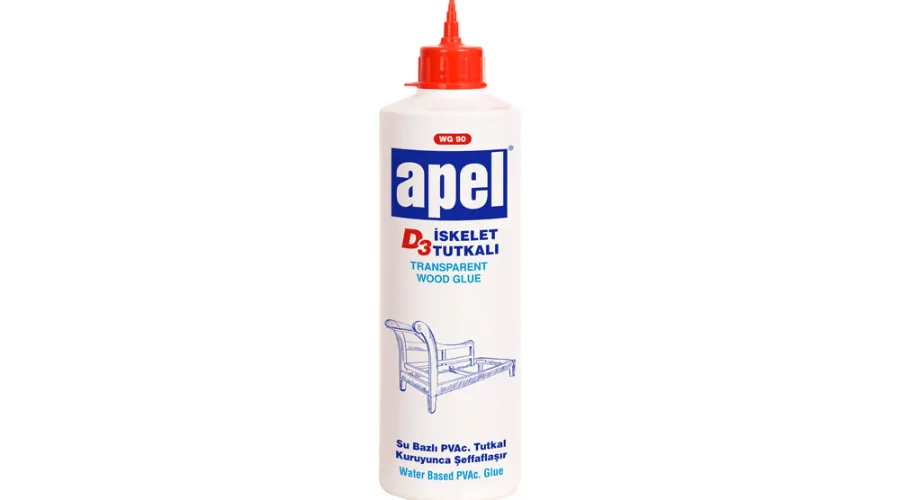
Regarding the uses and benefits of D3 frame adhesive, this adhesive is used on wooden materials and offers the advantage of leaving no color or marks on the wood. D3 frame adhesive is used for bonding the fixed connection components of furniture, manufacturing wooden doors and door frames, and bonding all types of wood in furniture production.
What Furniture Can Be Made with D3 Frame Adhesive?
Furniture made with D3 frame adhesive includes:
- Tables,
- Stools,
- Chairs,
- Mink side tables,
- Fixed components of TV units and wooden sofa sets,
- Furniture designs are produced by bonding components of kitchen cabinets and wardrobes with D3 frame adhesive.
On Which Types of Wood Is D3 Frame Adhesive Effective?
The types of wood on which D3 frame adhesive is effective are:
- Solid wood,
- Plywood,
- Particleboard,
- MDF,
- Formica,
Furniture frames made from all these types of wood can be bonded with D3 frame adhesive, giving the design a unified appearance.
What Are the Features of D3 Frame Adhesive?
The properties of D3 frame adhesive include:
- It becomes transparent when cured, so it is not noticeable on wood.
- It is manufactured to the D3 standard according to DIN EN 204.
- It bonds wood even in high-humidity conditions.
- Its resistance to moisture and heat ensures lasting performance.
- It contains special protective components against mold and bacteria, helping protect the wood at all times.
- It can be applied easily, either directly from the tube or with a brush.
- It dries quickly and does not require high pressure when bonding frames.
What Is the Composition of D3 Frame Adhesive?
D3 frame adhesive has a homopolymer composition. This structure allows it to bond even damp wooden furniture parts with exceptional strength.
How Should D3 Frame Adhesive Be Used?
To use D3 frame adhesive, first determine the correct layout for the furniture frame components. Apply the adhesive to the areas to be joined, then bring the parts together. Afterward, apply between 2 and 5 kg of pressure to the joined parts. This provides the longest-lasting bond. For large furniture, the recommended pressing time is five minutes. Then allow the adhesive to dry. Drying is complete when the adhesive becomes transparent.
Can D3 Frame Adhesive Be Painted?
D3 frame adhesive can be painted. Since it becomes transparent after drying, it may be applied to an exposed area that needs bonding and then coated with wood-compatible paint once dry. If the surface will be painted, sanding should be completed before bonding. This prevents wood dust produced during sanding from adhering to the D3 frame adhesive and spoiling its transparent appearance.
- Beta Kimya at Eisenwarenmesse Cologne 2026: The Global Meeting Point for Industrial Adhesives and Sealing Solutions
- The APEL Story: Beta Kimya's Journey of Production and Innovation from 1987 to Today
- Perfect Solution for Heat and Sound Insulation with APEL PF400
- You'll Be Amazed by What You Can Do with Wood Glue!
- Step-by-Step Marine Adhesive Application
- What is Polyurethane, Where is it Used?
- How to Clean Silicone?
- What is Sealant Spray?
- What is Koliband? What are its applications?
- What are the types of adhesives?
- What are Cyanoacrylate Adhesives?
- How to Remove Double-Sided Tape?
- What is Aquarium Silicone?
- 5 Decorative Ideas with Liquid Nail/Adhesive for Mounting
- What is Aluminum Tape? Where is it Used?
- What is Masking Tape? Where is it Used?
- What is Silicone Adhesive and Acrylic Adhesive? Where are they used?
- You'll Be Amazed by What You Can Do with Wood Glue
- Apel BK-20 Brake Pad Cleaner for Your Brake Maintenance
- What is Pas Remover Spray and How to Use It?
- Polyurethane Foam's 5 Places in Our Lives
- Relax and Unwind!
- Apel Sealing Tape - We Never Leak!
- What is Apel Non-Slip Tape and What Does it Do?
- Quickly Bonding: 5 Situations You Need Fast Adhesives
- What is Rubber Tire Spray Used For and When Should It Be Used?
- Apel Polyurethane Foam - What Is It and Where Can I Use It?
- Intermob Fair & Beta Kimya
- What is Hotmelt (Pebble Adhesives)?
- How to Make a Chair at Home?
- What is White Glue? What Can It Stick?
- How to Use Adhesive?
- Water-Resistant Adhesive Varieties
- What is the difference between silicone and adhesive?
- How is Silicone Produced?
- What is Polyurethane Foam and Where is it Used?
- What is Paint Stripper Spray?
- Does Glass Adhesive Really Work?
- What are the advantages of spray disinfectants?
- Where is Silicon Used? What is Silicon?
- How long does an alcohol-based hand sanitizer last?
- How to Prevent Water Seepage from Windows?
- Application Areas and Advantages of D3 Skeletal Adhesive
- What Can Be Achieved with the Irreplaceable Silicon Gun for Handwork?
- Winter Solutions from Beta Kimya Products
- Mirror Adhesion, How to Attach a Mirror?
- What are the Applications and Fields of Interest?
- What are the applications of liquid glue?
- What is Wood Glue? What are its Types? Where and How is it Used?
- What is Deniz Tutkalı Used For?
- Why Should We Use Disinfectants During the Coronavirus Period?
- What is Disinfectant and Where is it Used?
- How to Remove Quick Adhesive Stains?
- How to Make Slime?
- Where is Quick Adhesive Used?
- Does Gum Spray Remove Rust?
- Where is Wood and Hobby Glue Used?
- Did You Know ?
- We Introduced Our New Products at INTERMOB 2019
- What should you do to fill gaps?
- Same Application, Different Results?
- Which is the Best Adhesive?
