
What are Cyanoacrylate Adhesives?
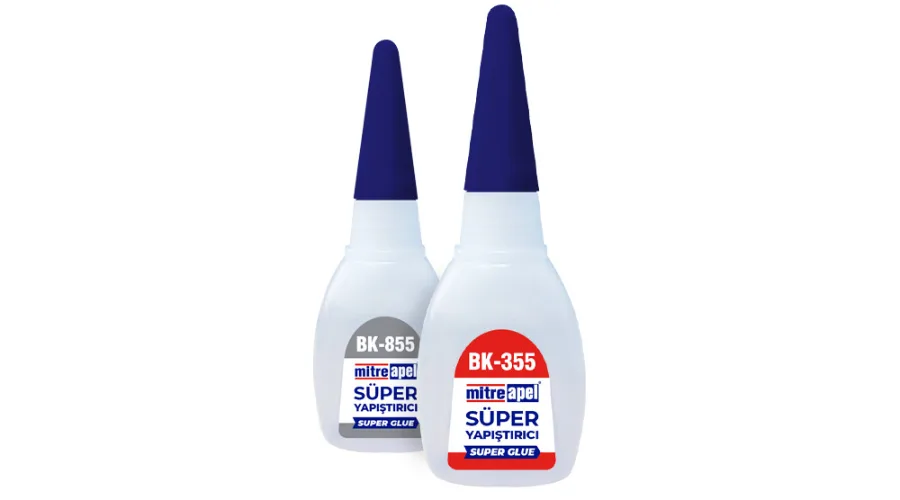
Cyanoacrylate Adhesives: A Versatile and Powerful Bonding Solution
Cyanoacrylate adhesives are used across various industries today due to their numerous advantages, such as high strength and ease of use on different surfaces. Their popularity has earned them the nickname "super glue." However, careful handling is essential, as they can cause burns, wounds, and irritation if they come into contact with skin, eyes, nose, or mouth.
After application, cyanoacrylate adhesives should not be exposed to moisture and air; therefore, it's recommended to store them in a tightly closed container after use.
Features of Cyanoacrylate Adhesives
Cyanoacrylate adhesives offer several unique properties:
- Easy to use compared to other adhesive types.
- Versatile and suitable for various surfaces.
- Compatible with different raw materials.
- Water-resistant, making them ideal for use in humid environments.
- Resistant to chemical substances.
- High bonding strength with rapid curing time, ensuring efficient results.
- Quick drying time.
- Solvent-resistant.
- Effective for bonding glass, ceramic, wood, and other materials.
- Widely used in the medical field for treatment purposes.
Applications of Cyanoacrylate Adhesives
The use of cyanoacrylate adhesives spans numerous sectors:
- Craft and hobby industry
- Electrical and electronic manufacturing
- Manufacturing sector
- Fashion industry
- Healthcare sector
- Art sector
- Repair work (e.g., cars, clothing, furniture, household items)
- Textile industry
These adhesives are versatile, encompassing everything from textile and fashion applications to medical situations where quick assembly of body parts is crucial. In such cases, cyanoacrylate adhesives can be used on human skin.
Does Cyanoacrylate Adhesive Dry Quickly?
Cyanoacrylate adhesives are known for their rapid drying time; the curing process takes only seconds after application. To maximize efficiency, users should ensure the surface is clean and free of grease or dirt before applying the adhesive. Once applied, it sets quickly, solidifying within moments to fulfill its function. This speed has earned them the "super glue" moniker.
However, while quick drying is an advantage, it also requires precise coordination during application.
Surface Preparation for Cyanoacrylate Adhesives
The surfaces to be bonded should be properly prepared before using cyanoacrylate adhesives:
- Remove any oil or grease from the surface.
- Ensure the surface is dry and free from moisture.
- Debris and dust should also be eliminated.
Maintaining a clean, dry surface enhances adhesive performance and ensures better results.
- Beta Kimya at Eisenwarenmesse Cologne 2026: The Global Meeting Point for Industrial Adhesives and Sealing Solutions
- The APEL Story: Beta Kimya's Journey of Production and Innovation from 1987 to Today
- Perfect Solution for Heat and Sound Insulation with APEL PF400
- You'll Be Amazed by What You Can Do with Wood Glue!
- Step-by-Step Marine Adhesive Application
- What is Polyurethane, Where is it Used?
- How to Clean Silicone?
- What is Sealant Spray?
- What is Koliband? What are its applications?
- What are the types of adhesives?
- What are Cyanoacrylate Adhesives?
- How to Remove Double-Sided Tape?
- What is Aquarium Silicone?
- 5 Decorative Ideas with Liquid Nail/Adhesive for Mounting
- What is Aluminum Tape? Where is it Used?
- What is Masking Tape? Where is it Used?
- What is Silicone Adhesive and Acrylic Adhesive? Where are they used?
- You'll Be Amazed by What You Can Do with Wood Glue
- Apel BK-20 Brake Pad Cleaner for Your Brake Maintenance
- What is Pas Remover Spray and How to Use It?
- Polyurethane Foam's 5 Places in Our Lives
- Relax and Unwind!
- Apel Sealing Tape - We Never Leak!
- What is Apel Non-Slip Tape and What Does it Do?
- Quickly Bonding: 5 Situations You Need Fast Adhesives
- What is Rubber Tire Spray Used For and When Should It Be Used?
- Apel Polyurethane Foam - What Is It and Where Can I Use It?
- Intermob Fair & Beta Kimya
- What is Hotmelt (Pebble Adhesives)?
- How to Make a Chair at Home?
- What is White Glue? What Can It Stick?
- How to Use Adhesive?
- Water-Resistant Adhesive Varieties
- What is the difference between silicone and adhesive?
- How is Silicone Produced?
- What is Polyurethane Foam and Where is it Used?
- What is Paint Stripper Spray?
- Does Glass Adhesive Really Work?
- What are the advantages of spray disinfectants?
- Where is Silicon Used? What is Silicon?
- How long does an alcohol-based hand sanitizer last?
- How to Prevent Water Seepage from Windows?
- Application Areas and Advantages of D3 Skeletal Adhesive
- What Can Be Achieved with the Irreplaceable Silicon Gun for Handwork?
- Winter Solutions from Beta Kimya Products
- Mirror Adhesion, How to Attach a Mirror?
- What are the Applications and Fields of Interest?
- What are the applications of liquid glue?
- What is Wood Glue? What are its Types? Where and How is it Used?
- What is Deniz Tutkalı Used For?
- Why Should We Use Disinfectants During the Coronavirus Period?
- What is Disinfectant and Where is it Used?
- How to Remove Quick Adhesive Stains?
- How to Make Slime?
- Where is Quick Adhesive Used?
- Does Gum Spray Remove Rust?
- Where is Wood and Hobby Glue Used?
- Did You Know ?
- We Introduced Our New Products at INTERMOB 2019
- What should you do to fill gaps?
- Same Application, Different Results?
- Which is the Best Adhesive?
