
What is Silicone Adhesive and Acrylic Adhesive? Where are they used?
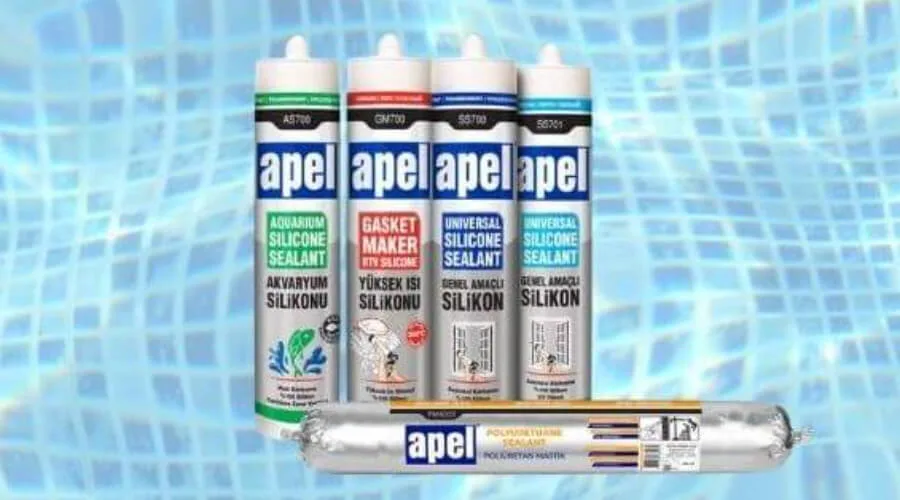
Silicone and Acrylic Adhesives for Various Applications
Introduction to Silicone and Acrylic Adhesives
Silicone Mastik and Acrylic Mastik are water-based rubber compounds, offering excellent sealing properties. Both are suitable for interior and exterior use, hardening after application and requiring protection from direct water contact.
Silicone Mastik: Key Features
- Durability: Highly resistant to moisture, chemicals, and external weather conditions, ensuring long-lasting adhesion.
- Flexibility: Known for its permanent flexibility, providing resistance to temperature changes and water.
- Applications: Ideal for mounting aluminum, wood, and PVC frames; fixing lavatories, bathtubs, cabinets, tiles, and ceramics; and repairing brick and concrete cracks.
Acrylic Mastik: Key Features
- Water-Based: Derived from water-based acrylic resins, it should not be exposed directly to water.
- Paintable: Suitable for interior and exterior decoration, providing protection against dust and pests.
- Versatility: Effective in filling and sealing gaps in brick, wood, plaster, and concrete surfaces.
Application Areas of Acrylic Mastik:
- Interior and Exterior: Due to its resistance to temperature changes and moisture, it is used for various applications, including door and window frames, PVC, wood, and aluminum cladding.
- Surface Filling: Fills gaps in brick, wood, plaster, and concrete, ensuring a smooth finish.
Comparison Between Silicone and Acrylic Mastik:
- Paintability: Acrylic mastik can be painted, making it suitable for decorative purposes, while silicone cannot.
- Moisture Resistance: Silicone is preferred in areas with direct water contact, such as bathtubs and lavatories, as acrylic mastik has lower moisture resistance.
- Flexibility and Application: Silicone is more flexible and easier to apply than acrylic, as acrylic loses elasticity after curing.
- Drying Time: Acrylic mastik dries within 12-24 hours, while silicone takes only 6 hours.
- Cost-Effectiveness: Silicone is generally more cost-effective than acrylic.
Types of Silicone:
Standard Silicone:
Used for insulation, sealing, and bonding. Also known as universal silicone, it is commonly used for shower cabin, bathtub, and sink sealing. It adheres to PVC, metal tiles, and other surfaces for waterproofing and bonding.
Mirror Silicone:
Different from standard silicones, mirror silicones cure from the inside out, ensuring no damage to the backing sheet of mirrors.
Heat-Resistant Silicone:
With high heat resistance, it is used in the production and repair of electrical appliances and industrial machine parts. It is also preferred in automotive spare part manufacturing and repairs.
Aquarium Silicone:
Non-toxic and safe for aquatic life, aquarium silicones are used in aquarium construction and maintenance, providing a strong bond while ensuring water tightness.
- Beta Kimya at Eisenwarenmesse Cologne 2026: The Global Meeting Point for Industrial Adhesives and Sealing Solutions
- The APEL Story: Beta Kimya's Journey of Production and Innovation from 1987 to Today
- Perfect Solution for Heat and Sound Insulation with APEL PF400
- You'll Be Amazed by What You Can Do with Wood Glue!
- Step-by-Step Marine Adhesive Application
- What is Polyurethane, Where is it Used?
- How to Clean Silicone?
- What is Sealant Spray?
- What is Koliband? What are its applications?
- What are the types of adhesives?
- What are Cyanoacrylate Adhesives?
- How to Remove Double-Sided Tape?
- What is Aquarium Silicone?
- 5 Decorative Ideas with Liquid Nail/Adhesive for Mounting
- What is Aluminum Tape? Where is it Used?
- What is Masking Tape? Where is it Used?
- What is Silicone Adhesive and Acrylic Adhesive? Where are they used?
- You'll Be Amazed by What You Can Do with Wood Glue
- Apel BK-20 Brake Pad Cleaner for Your Brake Maintenance
- What is Pas Remover Spray and How to Use It?
- Polyurethane Foam's 5 Places in Our Lives
- Relax and Unwind!
- Apel Sealing Tape - We Never Leak!
- What is Apel Non-Slip Tape and What Does it Do?
- Quickly Bonding: 5 Situations You Need Fast Adhesives
- What is Rubber Tire Spray Used For and When Should It Be Used?
- Apel Polyurethane Foam - What Is It and Where Can I Use It?
- Intermob Fair & Beta Kimya
- What is Hotmelt (Pebble Adhesives)?
- How to Make a Chair at Home?
- What is White Glue? What Can It Stick?
- How to Use Adhesive?
- Water-Resistant Adhesive Varieties
- What is the difference between silicone and adhesive?
- How is Silicone Produced?
- What is Polyurethane Foam and Where is it Used?
- What is Paint Stripper Spray?
- Does Glass Adhesive Really Work?
- What are the advantages of spray disinfectants?
- Where is Silicon Used? What is Silicon?
- How long does an alcohol-based hand sanitizer last?
- How to Prevent Water Seepage from Windows?
- Application Areas and Advantages of D3 Skeletal Adhesive
- What Can Be Achieved with the Irreplaceable Silicon Gun for Handwork?
- Winter Solutions from Beta Kimya Products
- Mirror Adhesion, How to Attach a Mirror?
- What are the Applications and Fields of Interest?
- What are the applications of liquid glue?
- What is Wood Glue? What are its Types? Where and How is it Used?
- What is Deniz Tutkalı Used For?
- Why Should We Use Disinfectants During the Coronavirus Period?
- What is Disinfectant and Where is it Used?
- How to Remove Quick Adhesive Stains?
- How to Make Slime?
- Where is Quick Adhesive Used?
- Does Gum Spray Remove Rust?
- Where is Wood and Hobby Glue Used?
- Did You Know ?
- We Introduced Our New Products at INTERMOB 2019
- What should you do to fill gaps?
- Same Application, Different Results?
- Which is the Best Adhesive?
